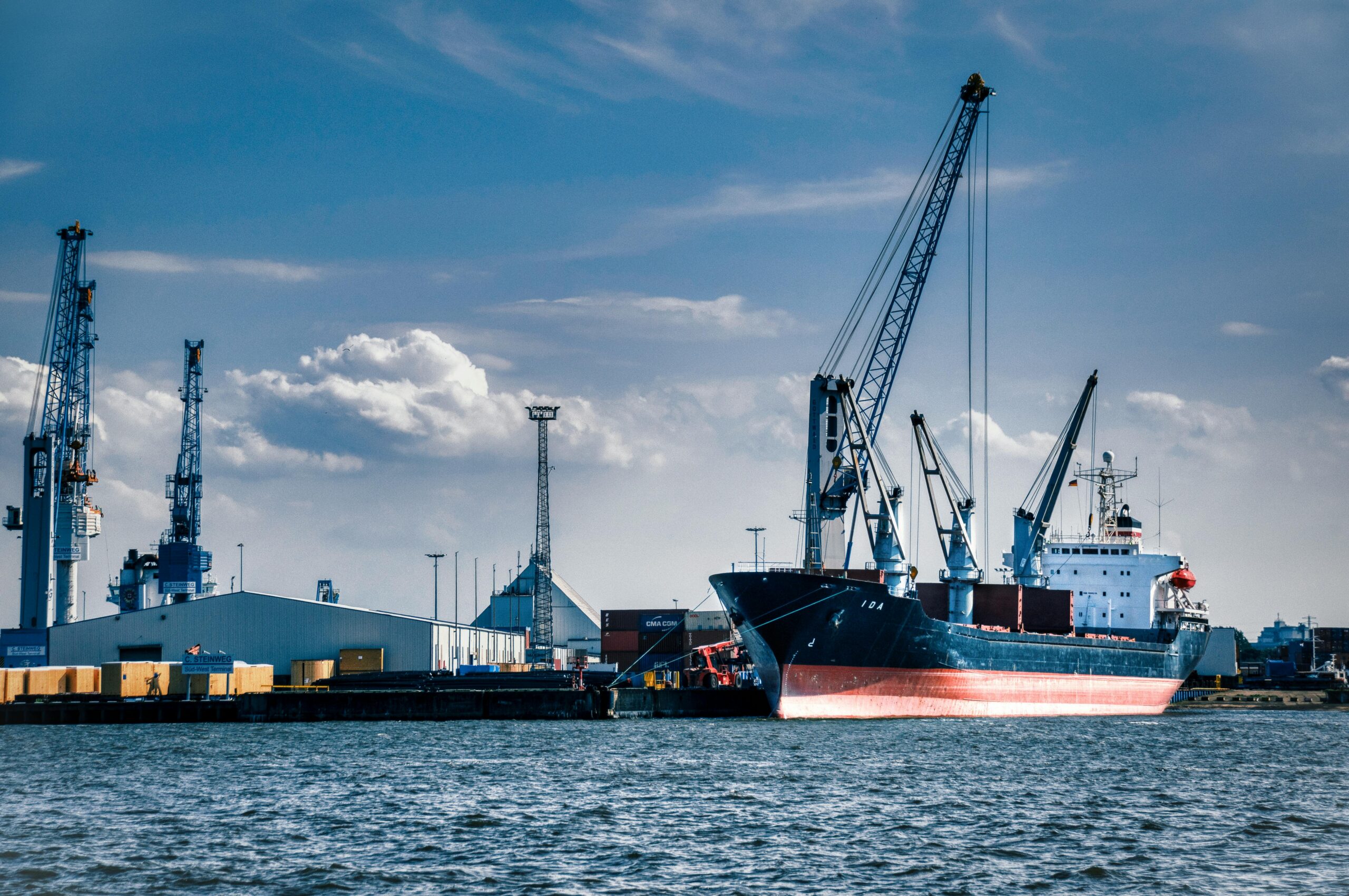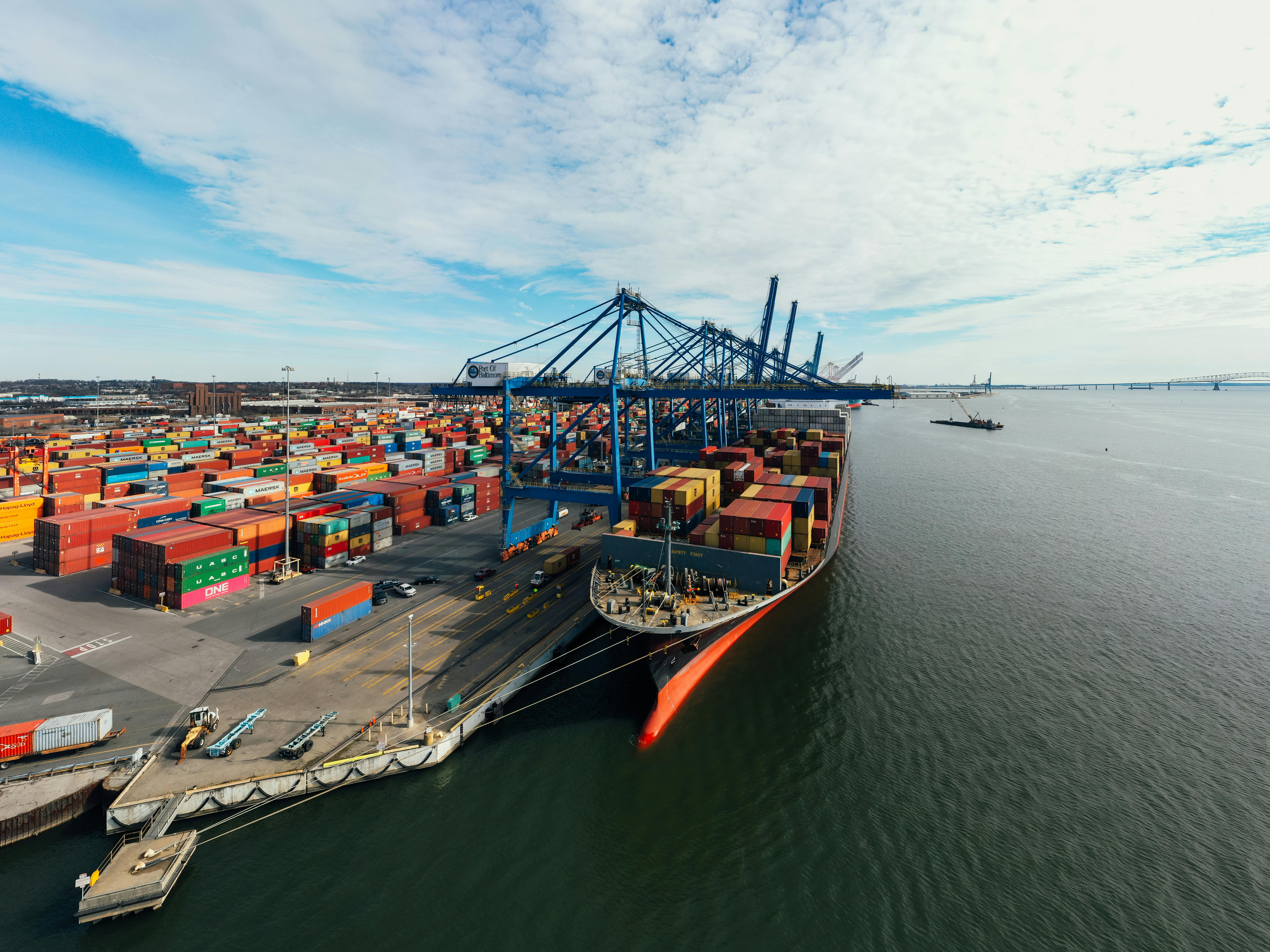
The shipping industry has witnessed tremendous growth in the international, global carriage of goods by container vessels. Container ships have been ever increasing in size, and capacity. There are container ships, measuring up to 400 metres in length, with a carrying capacity of over 24,000 TEU.
Despite advances in ship design and cargo securing methods, the loss of containers however remains a persistent problem, and poses a certain amount of threat to maritime navigation, environmental safety and economic interests.
The International Maritime Organization (“IMO”) has recently adopted amendments to the International Convention for the Safety of Life at Sea (“SOLAS”) and to the International Convention for the Prevention of Pollution from Ships (“MARPOL”) through the 108th session of the Maritime Safety Committee by means of IMO Resolution MSC.550(108).
These amendments to SOLAS come into effect as of January 1, 2026. They introduce a duty to report lost or drifting containers, requiring the master (or, if necessary, the shipping company) to notify nearby ships, the nearest coastal State and the flag State, with detailed information on the incident, the location, container numbers and any dangerous goods within the missing containers.
Flag States have to upload this data onto the IMO’s Global Integrated Shipping Information System (“GISIS”), under SOLAS/ MARPOL Regulations.
Prior to these new amendments, there was already a general duty to report navigation hazards under SOLAS V/31 and MARPOL Protocol I, but there was no specific, harmonised reporting regime.
The new amendments, do not change the underlying salvage liability rules. The shipowner/operator remains liable for consequences such as pollution, wreck removal and third party damage, usually with access to limitation regimes and P&I cover. Cargo owners are only directly exposed if at fault (e.g. through mis-declared weight or undeclared dangerous cargo), in which case, they may face contractual or tortious liability together with the carrier.
The Impact of Container Loss
Containers lost at sea can drift unpredictably. Collisions can occur which can potentially cause environmental harm, especially if hazardous or environmentally sensitive cargo is being transported.
In the majority of cases, the root cause can be attributed to a combination of factors: severe weather conditions, improper securing or lashing, weight mis-declaration, and structural failures of containers themselves. Human error, including poor stowage planning and inadequate maintenance, may also contribute to the loss of containers.
In 2019, 342 containers fell overboard from the container vessel m.v. MSC ZOE en route through the North Sea. It so happened, 2 of such containers contained highly hazardous material, which caused major pollution and damage to the surrounding maritime eco system. Large-scale coastal clean-ups and salvage operations were partly successful. Only around 87% of the containers and 75% of the cargo were found and removed, with the rest of the content lost at sea, deemed to be untraceable.
Usually the majority of containers tend to sink relatively quickly.
Collisions involving large commercial ships with adrift containers are not normally frequent. More often, when large ships hit stray containers, any “hull damage” is blamed on an “unknown cause”. Collisions with sailing yachts and smaller seacraft, though scarce, are on the other hand, a current problem.
The World Shipping Council reported that out of the 250 million containers shipped in 2024, only 576 containers were lost at sea, approximately 0.0002% of all containers transported.
Admittedly whilst there has been a steady decline in container losses over the years, there was a growing need for more regulation, in this area, in the interests of safe navigation, in particular if tragedy strikes. One such incident occurred in 2020 when around 1,816 containers were lost overboard from the vessel m.v. ONE Apus.
Overview of the Amendments
These new amendments to SOLAS which revise Regulations 31 and 32 of Chapter V of SOLAS, require the reporting of lost containers. They also complement current obligations under MARPOL Protocol I (Article V), and align international navigational safety with environmental measures.
Regulation V/31 imposes the obligation of immediate reporting of any overboard containers. Upon the loss of one or more containers, a master is duty bound to report the incident without any delay. His report has to be sent to three recipients:
- to nearby ships in the vicinity, in order to alert them of any navigational hazards,
- to the nearest coastal State authorities and
- to the vessel’s flag State.
If a master is unable to report (for example, if the ship is abandoned), his shipping company has to assume responsibility.
In addition, a master who spots drifting containers at sea has a duty to report these sightings to the appropriate parties and authorities.
Regulation V/32 stipulates the basic content of his report:
- the classification of the incident, such as a loss or drifting observation,
- the ship’s identification details;
- the time and location of the incident, whether actual, estimated, or discovered;
- the number or estimated number of containers lost or spotted drifting;
- the presence of any dangerous goods with corresponding UN numbers if available; and
- the description of the containers, including their size, type, and whether they are empty.
Any further relevant information, such as the weather and sea conditions or reports of cargo spills, have to be stated. Once the number of lost containers is confirmed and verified, a ship master has to issue his final report.
Upon receipt of such report, a flag State has to upload the incident onto GISIS. This facilitates the collection, processing and sharing of shipping-related information and provides more transparency as to these type of incidents.
Practical Implications for the Maritime Industry
These amendments create new obligations on ship masters and operators, to give due notice of any container losses or sightings, in the better interest of safety at sea. Shipping companies have to incorporate these reporting obligations into their daily operations and safety management systems.
Coastal States are in a better position to issue warnings of any navigational hazards to vessels, passing through their waters, and take if necessary any early environmental and logistical measures to mitigate any risks, which are caused by overboard containers.
For regulators and the IMO, these amendments standardize container loss reporting procedures, improve data accuracy, and promote trend analyses.
Challenges and Opportunities
Detecting lost containers at sea can prove to be difficult. Containers may sink, drift long distances or not be very visible owing to weather and rough seas. Satellite imagery, Automatic Identification Systems, and increasingly, artificial intelligence and machine learning models, are being developed to help identify drifting containers and even predict their trajectories. Despite these technologies, cost and recovery limitations persist.
Furthermore, container tracking technologies—which include GPS-enabled sensors, GSM-based communication, impact and temperature monitors—are becoming more prevalent. These systems provide near-real-time alerts of any unauthorized access, damage, or loss of any container. For example, container-specific information helps to identify at-risk cargo early, and facilitates any preventative action before an incident occurs.
Conclusion
The 2026 SOLAS amendments now introduce mandatory immediate and detailed reporting of lost containers, promoting accountability and global cooperation. These changes aim to promote maritime safety and environmental stewardship. While the regulations provide a new legal framework, challenges still remain in detection and real-time monitoring, highlighting the need for technological innovation. Advanced container tracking and data analysis will complement the regulations, improving navigation safety, environmental protection, and supply chain reliability.
Disclaimer: Ganado Advocates is responsible for contributing to this law report but was not in any way involved as legal advisor for the parties in the judgement being covered in this law report. This article was first published in ‘The Malta Independent’ on 07/01/2026.
Author


Related Articles
More Insights